Why Your AC Acting Up Is Never Just One Thing
When an AC system starts acting up, the easy answer is to swap out the most obvious part and call it a day. We don't do that. A system can still power on, still try to run, and still seem like it's functioning - while a single damaged component quietly causes a chain reaction underneath the surface.
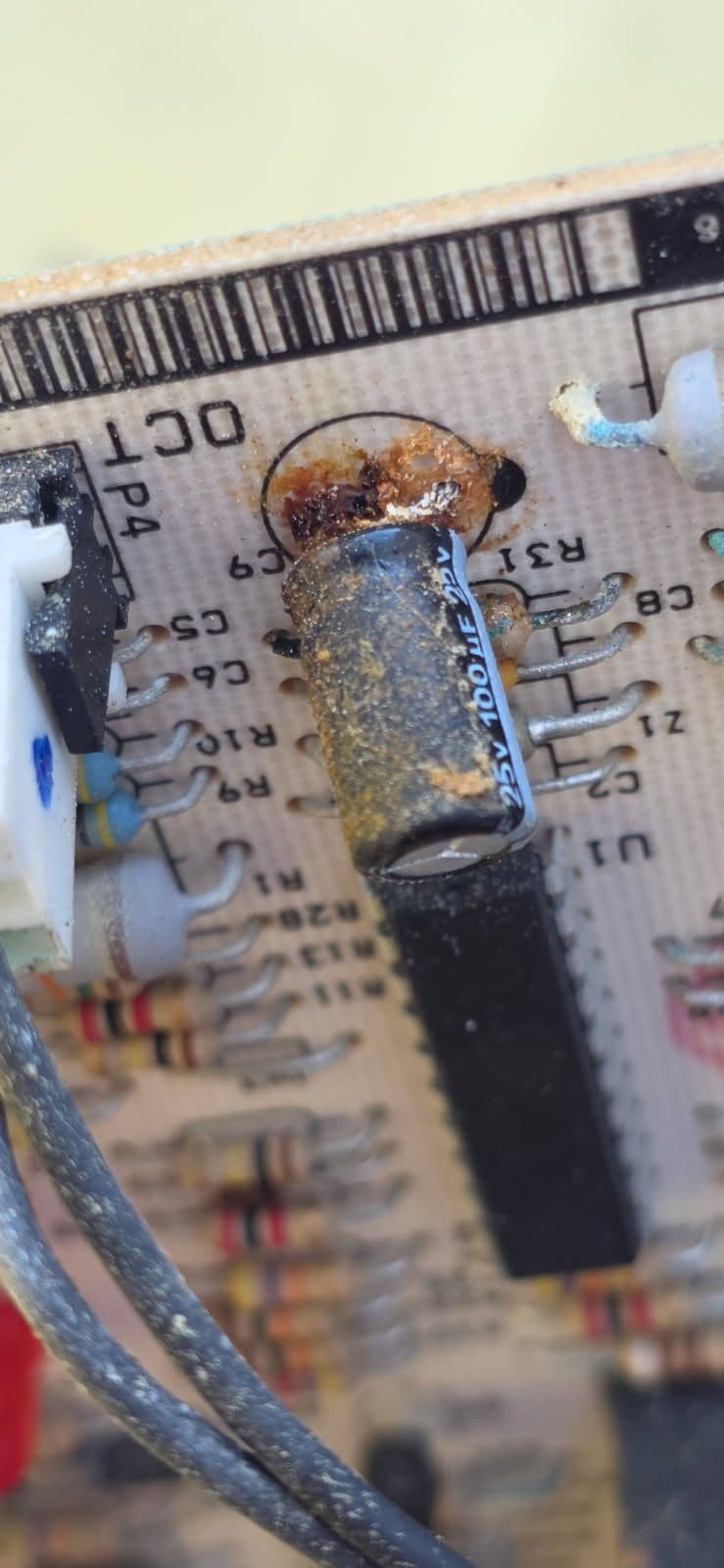
That's exactly what proper diagnostics are for. A burned-out capacitor on a control board, for example, doesn't always shut a system down immediately. It degrades. It stresses other components. And by the time the homeowner notices something is really wrong, the damage has already spread. That's a much bigger repair bill than it needed to be.
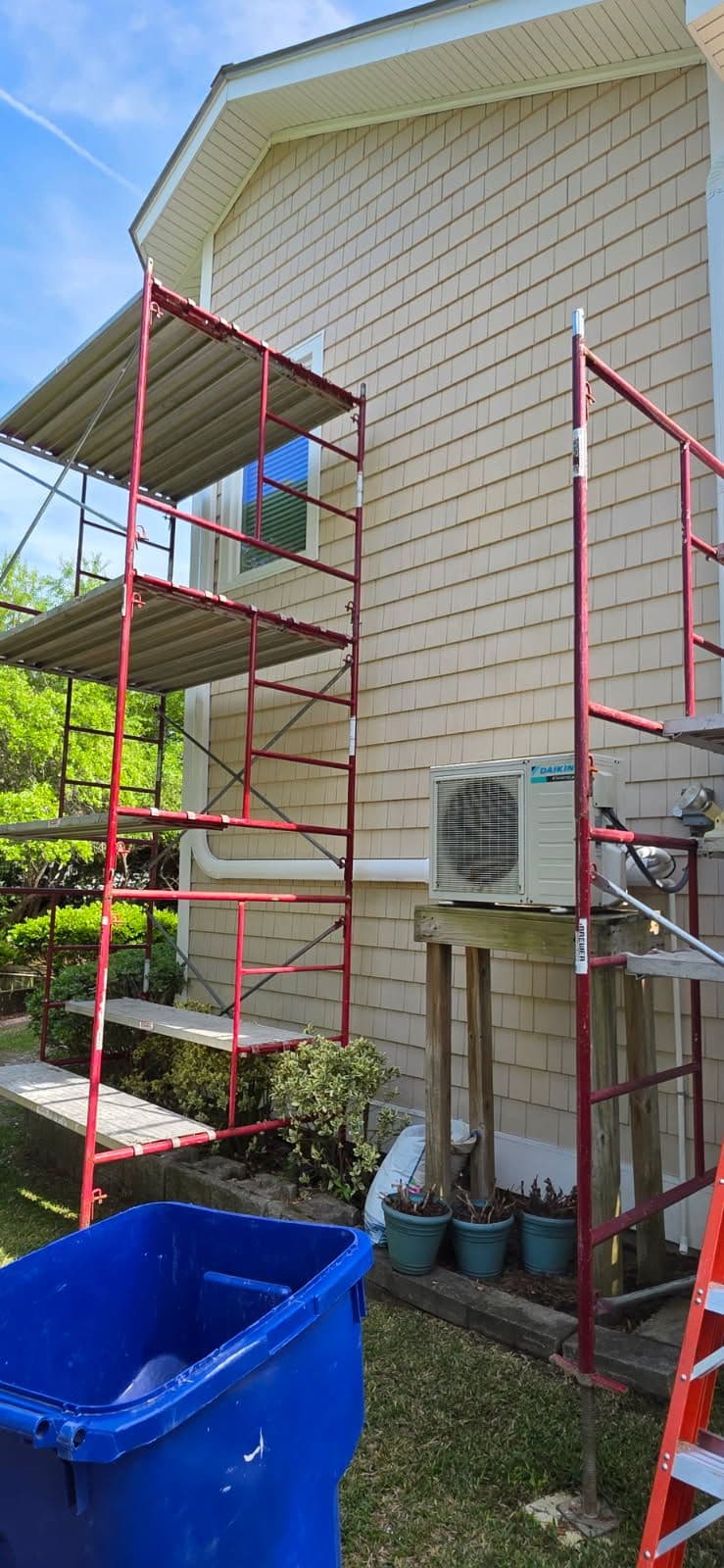
We take the time to actually look at what's going on inside the unit - not just at the surface level, but at the components doing the real work. A Daikin mini split mounted on the side of a home looks perfectly normal from the outside. But what's happening on the control board tells a completely different story.
Good HVAC diagnosis is part detective work, part electrical knowledge, and part experience. Knowing what a failed component looks like - and more importantly, what it means for everything connected to it - is what separates a real fix from a temporary patch. We've seen too many systems that were "repaired" by someone who guessed wrong.
If your system is running but something feels off - weak airflow, odd sounds, rooms that won't cool down - don't wait. A symptom that seems small usually isn't.